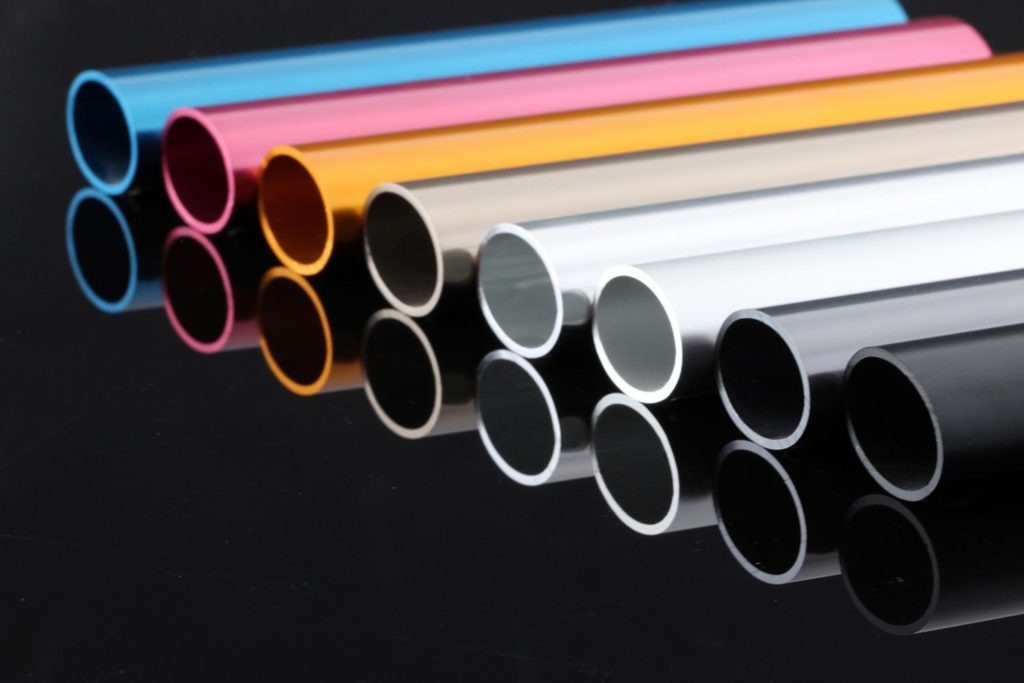
Introduction to the Basic Situation of Surface Finishing
Zhihui Precision is capable of providing you with suitable and effective product surface treatment solutions. The process involves utilizing various technologies to alter and enhance the surface quality of products. Surface treatment techniques can improve both the aesthetics and functional properties of parts, including adhesion or wettability, solderability, corrosion resistance, anti-fouling properties, chemical resistance, wear resistance, hardness, modification of electrical conductivity, removal of burrs and other surface defects, as well as control of surface friction—all achieved through professional precision surface finishing.
With years of seamless collaboration with our surface treatment partners, we offer a range of high-quality surface treatment services for metals, composite materials, and plastics, bringing your envisioned prototypes or parts to life. This allows Zhihui Precision to serve as a surface finishing company for projects requiring coordinated machining and post-processing.
CNC surface finish processes can be categorized based on their impact on the workpiece:
Removal or Reshaping Surface Treatments
Addition or Modification of Surface Treatments
Surface Finishing Overview
To ensure that the parts meet the desired process standards, perform stably and optimally in practical applications, and maintain their best condition, we conduct surface treatment operations after completing the appropriate processes or all machining procedures. This precision surface finishing process includes polishing, texturing, painting, anodizing, coating, electroplating, and related techniques—each integral to delivering top-tier precision surface finishing. These treatments are like dressing the parts in a "multifunctional outer layer," which not only significantly improves the appearance quality of the parts, making their texture more refined and aesthetically pleasing, but also provides comprehensive protective properties. In terms of stress relief and oxidation resistance, they effectively delay the aging process of the parts. In removing surface defects, they ensure the parts are put into use in perfect condition. Additionally, they significantly enhance properties such as chemical corrosion resistance and wear resistance, greatly extending the service life of the parts and enabling them to handle various complex working conditions with ease, operating stably and efficiently.
Surface Finish Machining Services Available
The surface treatment processes we can provide include:
Anodizing
Painting
Bead Blasting
Sanding and Polishing
Vapor Polishing
Color Matching
Texturing
Powder Coating
Electroplating
Pad and Silk Screen Printing
Factors Affecting Surface Finish
Production Speed of the Surface Treatment Method: Consider the required delivery timeline. Evaluate the time involved in executing various procedures for alternative mixed-metal surface treatment options.
Hardness of the Metal is particularly important when applying secondary techniques. Harder metals require stronger abrasives during processing. Conversely, excessive force on softer materials may cause irreparable or difficult-to-repair damage to the parts.
Cost and Financial Projections: While several processes may seem ideal for your specific situation, some more challenging tasks may require specialized tools and equipment, potentially leading to budget overruns. Assess whether your decision will result in long-term cost savings.
Surface Finishing Services Capabilities
Anodizing
Anodizing is an electrochemical process that creates a protective oxide layer on the surface of metal parts, enhancing their durability and resistance to corrosion. It works by immersing the metal in a chemical solution and passing an electric current through it, causing the metal to oxidize.
Standard: MIL-A-8625F, AMS2469,AMS2470 or AMS2471
Colors: Anodized natural, black, green, red
Test Specification: ASTM B117 336H
Application:XXX
Electroless nickel plating
Electroless nickel plating is a chemical process that deposits a nickel-phosphorus alloy onto a metal substrate without using an electric current, offering uniform coatings with good corrosion and wear resistance. Standard: GB/T 13913-92
Plating type: Electroless nickel
Test index: Hardness>800HV
Application: Automotive industry
Chrome plating
Chrome plating is a technique of electroplating a thin layer of chromium onto a metal object. The chromium layer can be decorative, provide corrosion resistance, facilitate cleaning, and increase surface hardness. Sometimes it may be used for aesthetic purposes.
Standard: GS 90010
Type of plating: Decorative chrome
Plating testing standard: CASS 48H; NSS 360H.
Application: Automotive industry
Polishing
Custom CNC machining parts are manually polished in multiple directions. The surface is smooth and slightly reflective.
Polishing Level: SPI A1 to B1
Roughness: Ra0.005 to Ra 0.05
Material: All materials
Powder Coating
Powder coating is a type of coating that is applied as a free-flowing, dry powder. Unlike conventional liquid paint, which is delivered via an evaporating solvent, powder coating is typically applied electrostatically and then cured under heat or with ultraviolet light.
Color: Custom surface finishing
Texture: Glossy
Price:based on the requirements of the customer.
Material:All metal materials
Painting
Painting involves spraying a layer of paint onto the surface of the part. Color can be matched to a Pantone color number of the customer's choosing, while finishes range from matte to gloss to metallic。
Color: Custom
Texture: Gloss, semi-gloss, flat, metallic.
Price:
Material: Aluminum, Stainless Steel, Steel
Black Oxide
Black oxide or blackening is a conversion coating for ferrous materials, stainless steel, copper, zinc, powdered metals, and silver solder. It is used to add mild corrosion resistance, for appearance, and to minimize light reflection. To achieve corrosion resistance, the black oxide must be impregnated with oil or wax.
Color: black
Texture: Smooth, matte。
Price: based on the requirements of the customer.
Material: Steel, Stainless. Copper, Zinc.
Bead/Sand Blasting
Bead/Sand blasting, also known as abrasive blasting, is a process that uses compressed air to propel abrasive materials against a surface, smoothing, cleaning, or roughening it.
Color: custom.
Texture: custom.
Price: based on the requirements of the customer.
Material: all materials.
If you want to know more surface finishing types, please visit our website.
Zhihui Precision, established in 2017 by a team of seasoned 5-axis manufacturing professionals in Shenzhen, has rapidly grown to become a leading custom precision machining factory in China. As the earliest group of engineers specializing in high-precision machining since 2007, we bring over a decade of expertise to the table. Operating out of a 10,000-square-meter facility, our precision machining services factory is tailored to deliver top-tier quality solutions to industries such as Automotive, robotics, new energy, and medical equipment, with a primary focus on 5-axis CNC machining of complex and highly accurate parts.
As a cnc machining service company, we will do our best to meet all the needs of clients.